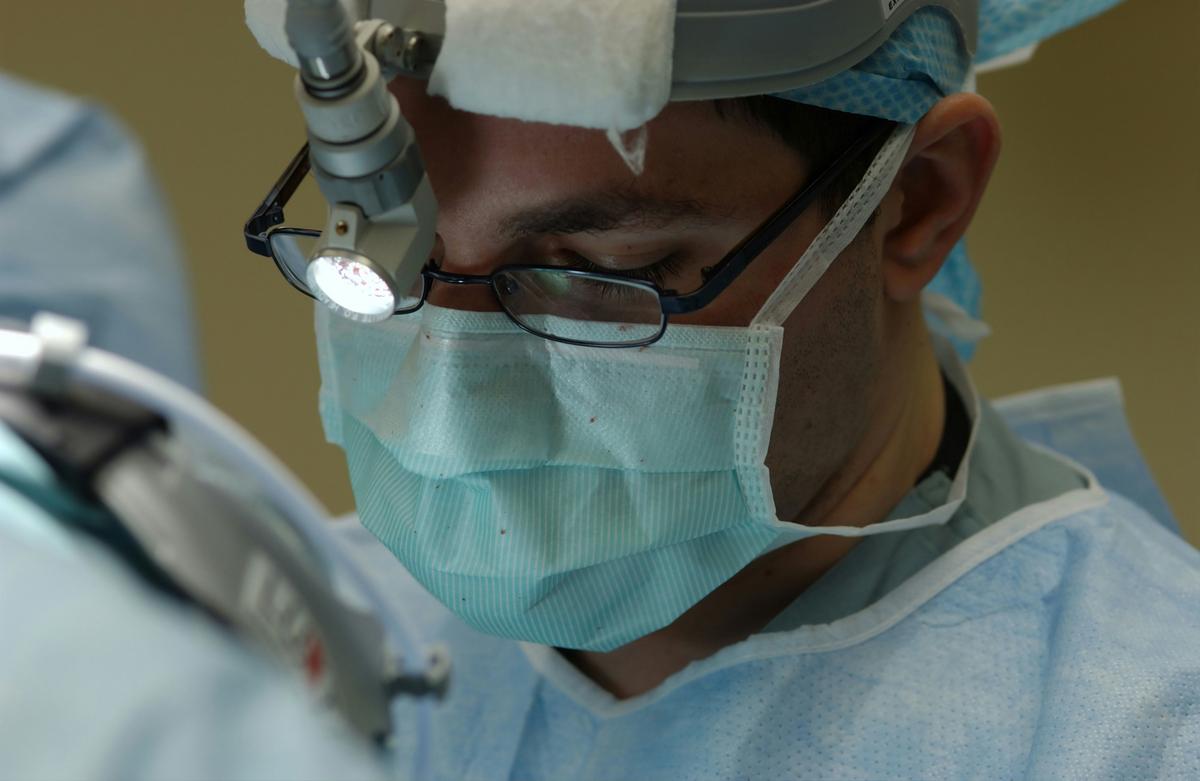
The clinical question is deceptively simple: when a robotic guidance system places a pedicle screw, what is the probability that it breaches the cortical margin by more than 2 millimeters? The answer requires engineering-grade analysis, not marketing claims. This forensic comparison examines two leading haptic robotic platforms — Globus Medical's ExcelsiusGPS and Medtronic's Mazor X Stealth Edition — across positioning accuracy, workflow architecture, and safety mechanism design.
Positioning Accuracy: The Numbers That Matter
Clinical accuracy data places these two platforms within a narrow band. ExcelsiusGPS achieves 99.6% clinically acceptable placement (within 2 mm of planned trajectory), compared to 98.9% for Mazor X. The 0.7 percentage point difference translates roughly to one fewer breach per 143 screws — a marginal but measurable differential. Importantly, both platforms operate well within the acceptable threshold for pedicle screw placement, where breach rates with freehand technique range from 5% to 15% depending on surgeon experience and anatomical complexity.
The accuracy figures, however, derive from different measurement methodologies. ExcelsiusGPS uses surveillance markers affixed to the patient for real-time intraoperative tracking without requiring intraoperative CT — the system references preoperative CT to the surgical field through a dynamic reference base. Mazor X employs preoperative CT-to-fluoroscopy registration, meaning the accuracy chain depends on the fidelity of that registration step. Both approaches are validated, but the failure modes differ: ExcelsiusGPS accuracy can degrade if surveillance markers shift; Mazor X accuracy can degrade if fluoroscopic registration images are suboptimal.
Safety Architecture: Active Guidance vs. Passive Navigation
The fundamental engineering distinction between these platforms lies in their safety philosophy. ExcelsiusGPS implements active haptic guidance: a virtual "force field" physically constrains the surgeon's instrument to the pre-planned trajectory. The system provides rigid-haptic feedback that prevents deviation beyond a defined tolerance envelope. Mazor X operates as a passive navigation system — it displays trajectory feedback on-screen but does not physically restrict instrument movement. The surgeon retains full manual control and receives visual/auditory alerts when approaching trajectory boundaries.
Neither approach is inherently safer. Active guidance reduces the probability of execution error — the surgeon simply cannot deviate beyond the force field's tolerance. Passive navigation preserves the surgeon's tactile feedback, which may be valuable in osteoporotic bone where screw trajectory requires intraoperative adjustment based on real-time haptic feel. The choice between them is a clinical workflow decision, not a safety hierarchy.
Procurement Cost Table
| Cost Category | ExcelsiusGPS | Mazor X Stealth |
|---|---|---|
| Capital Cost (System) | USD 1.2M – 1.8M | USD 1.0M – 1.6M |
| Per-Case Consumable | USD 1,500 – 2,500 | USD 1,200 – 2,200 |
| Annual Service Contract | USD 120K – 180K | USD 100K – 150K |
| Intraoperative CT Required | No (surveillance markers) | No (fluoro registration) |
| Training Investment | 15–20 supervised cases | 20–30 supervised cases |
Workflow Integration: Where Time Is Lost
Operating room time is the hidden cost variable that procurement spreadsheets rarely capture. ExcelsiusGPS requires surveillance marker placement — a preoperative step that adds approximately 10 minutes to setup but eliminates the need for intraoperative CT or fluoroscopic registration. Once markers are in place, the system maintains real-time tracking throughout the case. The trade-off: any marker displacement mid-procedure requires re-registration.
Mazor X's workflow centers on the preoperative CT-to-fluoroscopy registration phase. This requires two fluoroscopic images (AP and oblique) matched to the preoperative CT volume — a step that typically adds 15-20 minutes to case setup but does not require additional fiducial markers. The registration quality directly determines navigation accuracy, making this the single highest-impact step in the Mazor X workflow.
Engineering Verdict
The data shows both platforms performing within clinically acceptable accuracy envelopes, with ExcelsiusGPS holding a marginal advantage on the published numbers. The decision between them hinges on three procurement-level questions that transcend engineering specifications:
- Implant ecosystem lock-in. ExcelsiusGPS pairs with Globus Medical's implant portfolio; Mazor X with Medtronic's. The robotic platform decision is simultaneously an implant vendor decision — and implant spend dwarfs capital equipment spend over a five-year horizon.
- Surgeon training availability. ExcelsiusGPS requires 15-20 supervised cases to proficiency; Mazor X requires 20-30. The platform with better proctorship access in your region will deliver faster return to independent use.
- Workflow compatibility. Hospitals with established intraoperative CT protocols may favor ExcelsiusGPS's marker-based approach. Institutions that prefer fluoroscopic workflow may find Mazor X's registration paradigm more familiar.
The data points to a narrow accuracy differential and divergent safety philosophies. The correct procurement decision is not a function of which platform is "better" — it is a function of which platform's workflow, implant ecosystem, and training pathway align with your institution's existing surgical infrastructure.
Disclaimer: This article provides general industry information and does not constitute regulatory or legal advice. For specific compliance requirements, please consult with our procurement advisory team or relevant national authorities.
References: Published clinical accuracy data for ExcelsiusGPS and Mazor X Stealth Edition; Globus Medical and Medtronic product documentation; ASTM F2077 fatigue testing protocols; peer-reviewed literature on robotic-assisted pedicle screw placement accuracy.