Three forces are converging on medical device importers in Malaysia. Port Klang enforcement is intensifying. Device classification rules are shifting mid-renewal. And the Bahasa Malaysia labeling mandate arrives in 2026 with no further extensions. The cost of inaction is quantifiable — and urgent.
Port Klang: Customs at the Chokepoint
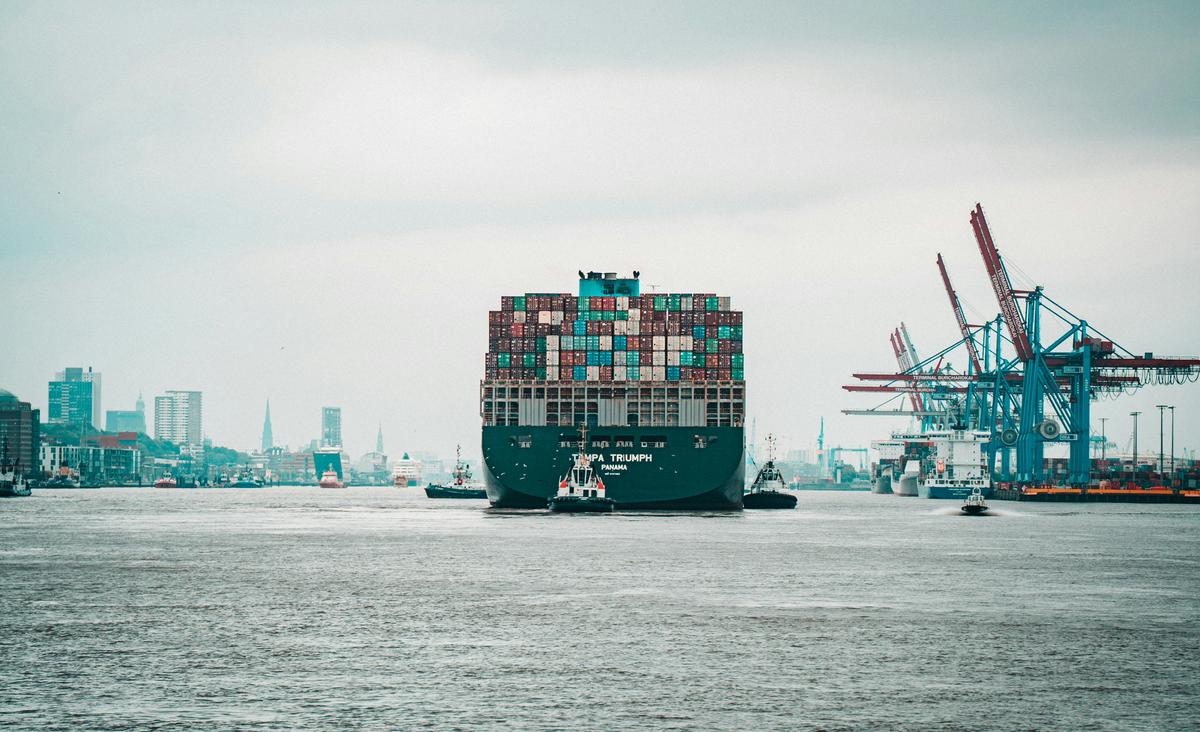
Malaysia's primary medical device entry point is under targeted enforcement. Customs officers at Port Klang are now conducting risk-based inspections of medical device shipments, with classification disputes as the primary trigger. When a shipment's declared classification does not match the inspector's assessment, the container is held pending resolution — and the clock starts.
The demurrage cost structure is not theoretical. Port Klang's standard demurrage rate for medical device containers is approximately USD 2,500 per day. A five-day hold — the typical resolution timeline for a classification dispute — costs USD 12,500. A two-week hold during peak congestion periods can exceed USD 35,000 per container. These costs are rarely insured and almost never budgeted.
The Classification Change Trap
MDA's 2026 renewal cycle introduces a structural risk for devices previously registered as Class B. During renewal, MDA may reclassify a device from Class B to Class C — and a Class C device requires a full new submission, not a renewal. The trigger mechanism: devices with implantable components, active diagnostic functions, or software-as-medical-device features are being re-evaluated upward.
The trap works as follows: a manufacturer submits a Class B renewal application, MDA reviews and determines the device should have been Class C all along, and the renewal is rejected. The manufacturer must then start a new Class C registration — losing all time invested in the renewal process and facing a 180+ day timeline for the new submission. During this gap, the existing registration may lapse, suspending market access.
Bahasa Malaysia Labeling: The 2026 Deadline
All Class B, C, and D devices must carry Bahasa Malaysia labeling on the device, its packaging, and its instructions for use by the 2026 renewal cycle. This is not a negotiable requirement. Labels in English only will not pass compliance review. The mandate applies to the physical label — digital translations, QR codes, or supplementary inserts do not satisfy the requirement on their own.
For importers with existing inventory in the Malaysian supply chain, the compliance window is closing. Devices manufactured before the labeling requirement took effect must be relabeled or withdrawn. The relabeling process itself introduces risk — relabeling in-country requires certified facilities and must not compromise sterility or packaging integrity.
PMS Digital Monitoring: The Quiet Deadline
MDA has mandated electronic adverse event reporting and quarterly trend analysis submission for all registered devices — the Post-Market Surveillance (PMS) digital monitoring system. Failure to submit quarterly PMS reports triggers automatic suspension of the device registration. This is an administrative trigger, not a clinical one — a device with zero adverse events must still submit the quarterly report. Non-submission is treated identically to non-compliance.
Demurrage Cost Scenario Analysis
| Scenario | Hold Duration | Cost per Container | 3 Containers |
|---|---|---|---|
| Routine clearance | 0 days | USD 0 | USD 0 |
| Classification dispute | 5 days | USD 12,500 | USD 37,500 |
| Extended hold | 14 days | USD 35,000 | USD 105,000 |
| Rejected entry | 21+ days + return | USD 52,500+ + freight | USD 157,500+ |
Immediate Action Items
- Audit your device classification now. Review all devices approaching renewal. If any device has borderline characteristics (implantable component, active function, software decision-support), pre-assess whether MDA will reclassify it upward. If reclassification is likely, begin the Class C submission in parallel with — not after — the Class B renewal.
- Complete Bahasa Malaysia labeling. If your labeling compliance is not complete, every day of delay increases the probability of a rejected renewal application. Engage a certified translation service with medical device regulatory experience.
- Establish PMS reporting infrastructure. Set calendarized triggers for quarterly PMS submissions. The volume of reports matters less than the consistency — a missed quarter is a suspended registration.
- Pre-clear Port Klang documentation. Submit complete classification documentation, including the MDA registration certificate, to your freight forwarder before the shipment leaves the origin port. Classification disputes at Port Klang are almost always resolved by documentation, not by physical inspection of the device.
Malaysia's regulatory environment in 2026 rewards proactive compliance and punishes last-minute submissions. The cost of a single Port Klang hold exceeds the cost of a complete regulatory audit. The calculation is not complicated.
Disclaimer: This article provides general industry information and does not constitute regulatory or legal advice. For specific compliance requirements, please consult with our procurement advisory team or relevant national authorities.
References: MDA Malaysia Medical Device Regulation 2012 (Act 737) and 2026 amendments; Port Klang demurrage tariff schedule; MDA circular on Bahasa Malaysia labeling mandate; PMS electronic reporting system documentation.